

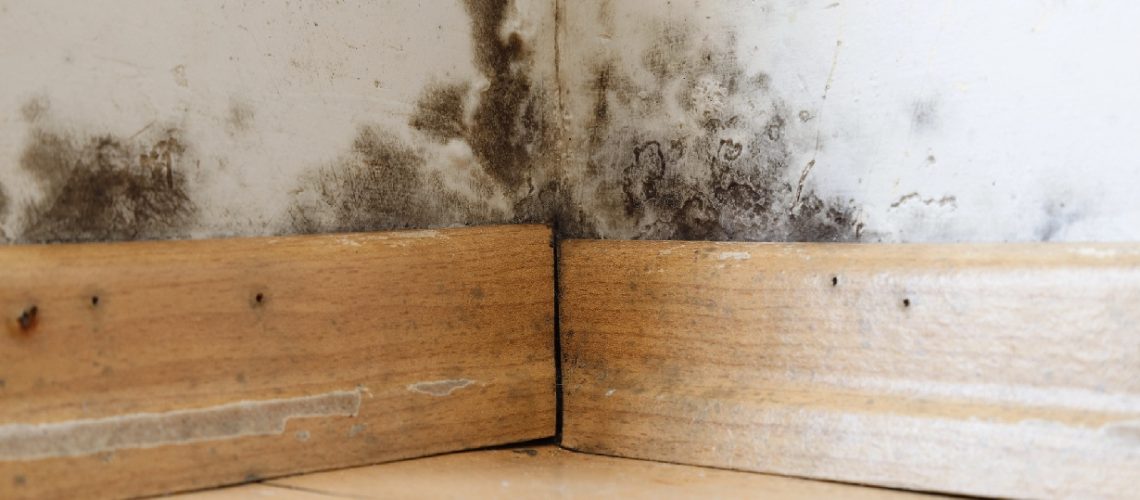
Mold is one of those things that’s easy to ignore until it starts causing problems. A few dark spots on the bathroom ceiling or a musty smell under the kitchen sink might not seem like a big deal at first. But mold has a way of spreading quietly, damaging the surface it grows on, and affecting the air your family breathes.
Believe it or not, every home has some level of mold because mold spores from the outdoors float through the air, enter the home, and settle inside. Here in the Rio Grande Valley, homes face an even greater mold risk because of the high humidity, heavy rains, tropical storms, and air conditioners that run almost nonstop.
Not all mold is the same. There are tens of thousands of species, and they differ in where they grow, what they damage, and how they affect your health. Here are the most common types of household mold and how to spot them.
1. Cladosporium
Cladosporium is one of the most common molds you can find indoors and outdoors. While most species are not dangerous to humans, some can cause allergies or asthma in certain individuals. Cladosporium usually appears as olive-green, brown, or black spots with a slightly velvety or powdery texture. It can grow in both cool and warm areas.
Where it grows: Look for Cladosporium on fabrics, carpets, upholstery, wood surfaces, window sills, and the back of toilets. It can also show up around air conditioning vents and inside HVAC systems, where condensation provides steady moisture.
2. Penicillium
Penicillium has a fuzzy texture and is often blue or green in color. Once it starts, it tends to spread quickly, and high exposure can trigger allergic reactions, hay fever, and asthma flare-ups. Interestingly, Penicillium is in the same family of mold as the antibiotic penicillin, but that doesn’t make it welcome in your home.
Where it grows: Penicillium is common on materials that have been damaged by water, such as carpet, wallpaper, insulation, and mattresses. It can also be found on spoiled food. If your home has had a leak or flooding, Penicillium is one of the molds that can show up in hidden areas if materials aren’t dried thoroughly.
3. Aspergillus
Aspergillus is a large group of molds that come in a range of colors, including green, yellow, white, and black. Most people breathe in microscopic spores every day without realizing it, because they can be destroyed by a healthy immune system. However, Aspergillus can cause aspergillosis, a group of conditions that can lead to allergic reactions and lung problems, particularly in people with weakened immune systems or existing lung conditions.
Where it grows: You might find Aspergillus on walls, in household dust, inside air ducts, and on damp building materials. It also grows on foods like bread and grains. Because its spores travel easily through the air, it can spread through a home’s HVAC system.
4. Alternaria
Alternaria is one of the most common molds found outdoors, and a well-known allergen. While it’s often associated with soil, plants, compost, and bird nests, it can also make itself at home indoors when there’s moisture. Alternaria is typically dark green, brown, or gray, with a fuzzy texture.
Where it grows: Alternaria loves damp spots like showers, bathtubs, the area under sinks, and around leaky windows. It often appears after water damage and can spread quickly if the moisture source isn’t fixed.
5. Stachybotrys Chartarum (Black Mold)
Stachybotrys chartarum is the mold most people mean when they talk about “black mold.” It’s dark greenish-black and often has a slimy or wet appearance. Unlike some other molds, it needs constant moisture over time to grow, so it’s usually a sign of an ongoing water problem.
Where it grows: Stachybotrys grows on materials high in cellulose, such as drywall, ceiling tiles, wood, and paper. It’s often found behind walls, under flooring, or in ceilings after roof leaks, plumbing leaks, or flooding, which means it can grow out of sight for a long time before it’s noticed.
Why You Can’t Identify Mold by Looks Alone
While it can be tempting to guess what type of mold you’re dealing with based on appearance, this can be misleading. Many common types of household mold look similar, and the same type can appear in different colors depending on the surface it’s growing on and how old it is.
Regardless of the type of mold you’re dealing with, it should always be addressed. Mold exposure can cause a wide range of symptoms, especially if you’re dealing with it every day. People with allergies, asthma, or weakened immune systems tend to be more sensitive, but mold can trigger stuffy noses, coughing, wheezing, and eye or skin irritation in anyone.
At Texas Elite Restoration, we start the mold remediation process by collecting a sample of the mold and analyzing it. This way, our professionals can determine the mold type and create a plan for removing it safely and efficiently. Mold is also cleaned differently depending on its type and where it’s located.
How to Keep Mold From Taking Hold
All types of mold need moisture to grow, so controlling moisture is the best way to prevent mold growth. Here are some of our best tips for preventing the spread of mold in your Rio Grande Valley home:
- Run bathroom exhaust fans for 20 minutes after showering or bathing
- Use kitchen exhaust fans while cooking
- Fix leaks as soon as you notice them
- Open windows when you can to let air circulate
- Empty drip trays from refrigerators, AC units, and dehumidifiers
- Run a dehumidifier or AC in damp spaces like basements and crawl spaces
- Keep gutters and downspouts clear
- Squeegee shower walls and wipe down window condensation
When to Call a Professional for Mold Remediation
If you find small spots of mold on a hard surface, you may be able to clean it on your own. However, if the mold covers a large area, keeps coming back, has a strong musty odor, or appears after flooding or a leak, it’s time to call in a professional. Even the most common types of household mold often require mold remediation to uncover the root cause.
Any mold hidden behind walls, under floors, or in your HVAC system also needs expert attention, since disturbing it without proper containment can cause the spores to spread throughout your home.
Schedule Your Mold Inpsection Today
Texas Elite Restoration provides complete mold remediation for homes and businesses in Harlingen and throughout the Rio Grande Valley. We test to identify the mold, remove it using containment and air scrubbers, and conduct final testing to make sure nothing is left behind.
Worried about mold in your home? Contact Texas Elite Restoration or call (956) 564-1932 to schedule a mold inspection.