

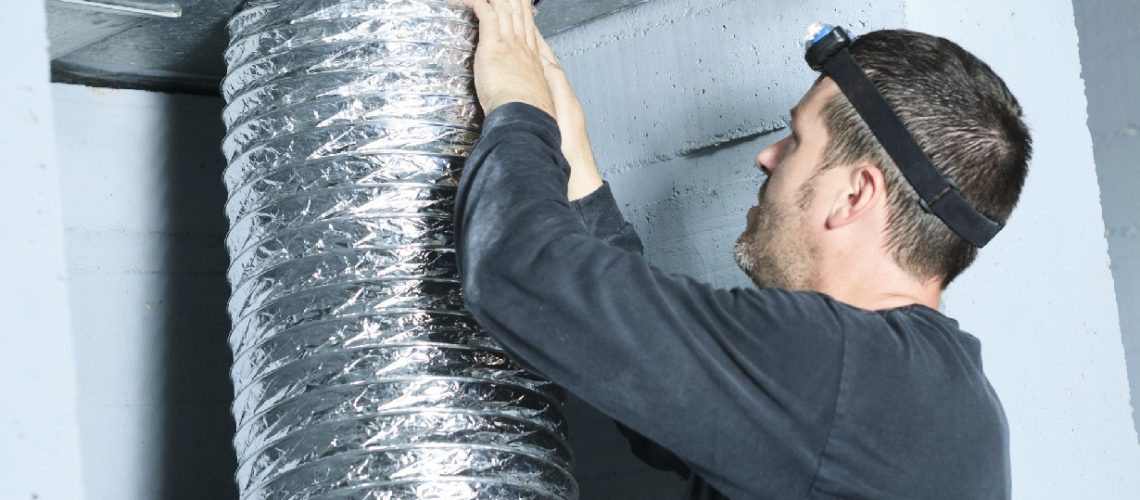
In the background, your air ducts are busy. They carry cool air from your AC unit to different rooms in your house, often running past warm attics and cramped crawl spaces. But when those ducts are leaking, a staggering share of that air never makes it to your living space. Energy Star says that in an average home, leaks, holes, and poorly connected ducts allow up to 20 to 30 percent of the air flowing through the duct work to escape.
In the Rio Grande Valley, where air conditioners run for much of the year and attic temperatures climb well above outdoor temperatures, leaky ducts may mean higher energy bills, uneven comfort, and dustier air. Learn to spot the symptoms of a leak, what causes ducts to fail, and how to fix the problem with professional duct cleaning and sealing.
Common Signs of Air Duct Leaks
Higher Energy Bills
If your electric bills begin to increase but you haven’t made any changes, it could be the result of leaky ducts. This happens because cold air escapes your attic or walls, forcing your system to work harder to keep the rest of your home comfortable.
Uneven Cooling
If some rooms stay cool while others do not, that’s an obvious sign there’s a leak somewhere in your ducts. What’s happening is that before cold air reaches the vents, it escapes through a hole.
Weak Airflow
Place your hand near the vents in various rooms. If you notice the airflow is very weak in certain areas, you could have a broken or disconnected duct.
Dust Accumulation in Your Home
Leaky return ducts can suck air from your crawl spaces, attic, and walls, bringing dust, debris, and insulation fibers into the house. If you find yourself dusting more than you should, your ducts may be the culprit.
Stuffy or Humid Air
When ducts pull in hot, humid attic air, your AC has a harder time keeping your home dry and comfortable. Rooms may feel sticky or stuffy even when the system is running.
Visible Damage
If you can safely access your attic or crawl space, check the ductwork that you can see. You may notice gaps at joints, loose connections, duct tape that’s peeling away, or torn or crushed flex duct. You may also see dirty streaks along joints where dusty air has leaked out.
What Causes Air Ducts to Leak?
- Age and wear. Ductwork doesn’t last forever. Seals dry out, joints loosen, and flex ducts sag or rip.
- High attic temperatures. Attics in the Valley can get dangerously hot in the summer. Day in and day out, that heat can cause tape, sealants, and flex duct materials to break down faster than in milder climates.
- Improper installation. A duct that’s not connected, supported, or sealed is a recipe for leaks. Gaps often occur with unsupported runs, sharp bends, or kinks.
- The wrong kind of tape. Despite the name, duct tape is NOT meant to permanently seal ductwork. It dries out and eventually loses its hold, leaving gaps.
- Physical damage. Ducts can be crushed or ripped when people walk around the attic, store something on top of them, or work on other projects around the house. Pests may also damage flexible ducts.
- Storm and water damage. Roof leaks, hurricanes, and flooding saturate ducts located in attics and crawl spaces, compromising joints and materials.
Solutions: Professional Duct Cleaning and Sealing
In many cases, the best solution to leaky ductwork is a combination of duct cleaning and sealing. Cleaning removes the dust and debris that leaks have drawn into your system, and sealing plugs the holes so that conditioned air stays where it belongs.
Inspection and Testing the Ductwork
A professional inspection will check for gaps, disconnections, and damage in exposed ductwork. Some technicians will also check the duct pressure to see how much air is being lost and to locate trouble spots that are not visible.
Ductwork Cleaning
You should clean the ductwork before sealing it. Leaks attract dust, insulation fibers, and debris, so not cleaning the ducts beforehand could mean sealing that buildup in. Professional duct cleaning uses special tools to knock contaminants loose in supply and return ducts and remove them to help improve indoor air quality and airflow.
Sealing the Leaks
Once you’ve cleaned the ducts, you can seal the leaks with the appropriate materials (ductwork sealant or foil tape). Loose connections are sealed back together and secured, and damaged areas may require repairs or replacement. Sealing is sometimes done from inside the ducts in an effort to access leaks behind walls or ceilings.
Add Insulation Where Necessary
Ducts that run through hot attics should be insulated so that the cool air stays cool when it’s blown into your rooms. In many cases, insulation is inspected and/or improved when a home is being sealed.
Cleaning and sealing ducts will save you money on heating and cooling and reduce dust buildup, making your home more comfortable and your HVAC system less stressed.
Stop Paying to Cool Your Attic
Leaky ducts are easy to overlook because they’re hidden away, but their effects show up in your energy bills, your comfort, and the air you breathe. If you’re noticed higher energy bills, uneven temps, or excessive dust, it may be time to take a look at your air ducts.
Texas Elite Restoration is proud to offer quality air duct cleaning so that residents of Harlingen and the Rio Grande Valley can breathe easier in their homes and businesses. We’ll clear years of dust and debris from your system so you can be getting the most out of your heating and cooling.
Looking for duct cleaning and sealing that makes a difference? Schedule an appointment with Texas Elite Restoration today.