

If you find mold in your house, you’ll probably hear the words “mold cleanup” and “mold remediation” almost immediately. The two terms sound similar, and lots of people use them interchangeably, but they represent very different levels of work. Knowing the difference lets you decide if you can tackle a mold problem on your own, or if it’s time to bring in a professional.
In the Rio Grande Valley, where humidity, torrential rains, and tropical storms are the norm, it’s especially helpful to know the difference between mold cleanup services and mold remediation. Let’s cover the basics on what each service entails, what it costs, and when to enlist help from a pro.
What Are Mold Cleanup Services?
Mold cleanup generally refers to wiping away small, visible areas of mold from surfaces. Think of dark spots on bathroom tile, mildew around a window frame, or a patch on the grout next to your shower. These are visible problems and often within the homeowner’s control, especially if the area is small and the surface is hard and nonporous (i.e., tile, glass, metal, sealed counters).
Safe cleanup typically involves wearing gloves, eye protection, and a mask, scrubbing the area with a cleaner, and allowing the surface to dry entirely. Mold cleanup does not address the mold behind walls and floors or the underlying problem that caused the mold in the first place.
What Is Mold Remediation?
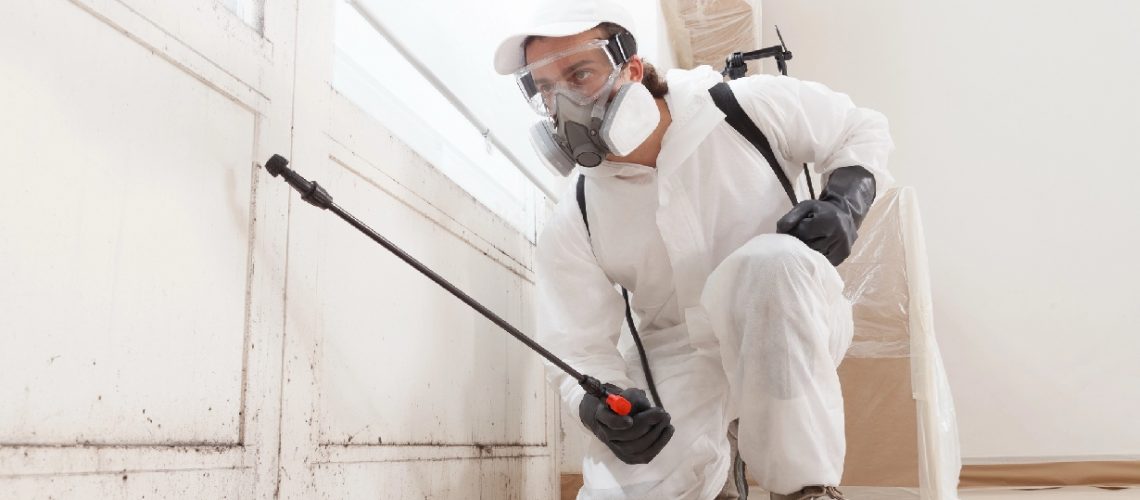
Mold remediation is a thorough, professional process of identifying the entirety of a mold problem, safely removing it, and ensuring it doesn’t spread or return. Remediation doesn’t simply erase the visible portion of the mold like cleanup does. Instead, it addresses the mold, the materials affected, and the conditions that fostered its growth.
Our mold remediation process at Texas Elite Restoration involves:
- Sampling and testing to determine the type of mold.
- A removal plan based on which mold we’re dealing with and the materials impacted.
- Containment to keep spores from spreading into other areas of your home.
- Air scrubbers to help filter out airborne mold particles during the work.
- Final testing to ensure the mold has been adequately removed.
Remediation often involves the removal and replacement of porous materials, such as drywall, insulation, and carpet, as they cannot be thoroughly cleaned. It’s also crucial to find the source of moisture that’s causing the mold growth (i.e., leaks, flood damage, high humidity) and fix that as well, or the problem will continue.
The Key Differences Between Mold Cleanup and Remediation
The scope. Cleanup targets small, visible surface areas. Remediation deals with the whole affected area, such as hidden mold within walls, ceilings, floors, or air ducts.
Containment and safety. If you just scrub away mold spores without any containment, you can send them floating into other rooms. Remediation uses air scrubbers and containment barriers to isolate the work from other parts of your home.
Damaged materials. Cleanup works best on hard surfaces that can be wiped clean. Remediation involves removing porous materials that mold has grown into and preparing them for repairs.
Testing. Cleanup relies on what’s visible. Remediation uses testing to determine what type of mold you’re dealing with and to make sure the job was done correctly.
The root cause. Cleanup treats the symptom. Remediation addresses the moisture problem at its root, which is the only way to keep the mold from coming back.
It’s also worth knowing that mold spores naturally occur indoors and outdoors, so getting rid of all spores in a home is impossible. The goal of remediation is to remove active mold growth from the property and to establish an environment conducive to normal, healthy indoor conditions.
How Much Does Mold Cleanup and Remediation Cost?
For a small surface area, a do-it-yourself mold cleanup only costs the price of supplies like gloves, a mask, eye protection, and cleaning products.
Professional mold remediation is more costly because it incorporates testing, containment, specialized equipment, and oftentimes, material removal. Based on national cost data from Angi, the vast majority of homeowners spend from $1,200 to $3,750 for a professional mold remediation job, with a national average of approximately $2,350. Contractors typically charge $10 to $25 per square foot, and the total cost of remediation for an entire house can range from $10,000 to $30,000 or more.
Your total cost depends on several factors:
- Size of the affected area. More extensive jobs require more labor and materials.
- Location. It’s more expensive to reach and treat crawl spaces, attics, inside walls, and HVAC systems.
- Types of materials. Having to remove and replace drywall, insulation, flooring, or carpet can add substantial cost to the project.
- Source of moisture. Issues like roof leaks, plumbing problems, or flood damage also require repair, increasing total costs.
- Testing. An inspection before remediation and clearance testing after is needed to ensure the mold is gone, adding to the project.
One of the best ways to keep costs down is to find mold early. A small problem is infinitely more affordable than widespread growth that has worked its way into walls and building materials.
Will My Insurance Cover Mold Cleanup?
It varies based on your policy and what’s causing the mold. Most homeowner’s policies may cover mold caused by a sudden and covered event, such as a burst pipe, but long-term leakage, humidity, or lack of maintenance are generally not covered. If the mold is from flooding, you may need a separate flood policy to cover it. Contact your homeowners insurance to learn more about the type of coverage you carry.
When to Call in a Mold Cleanup Professional
If small patches of mold are on a hard surface, you generally shouldn’t have trouble cleaning it. You should call for professional mold remediation if:
- The mold is extensive, usually more than 10 square feet.
- There’s a musty smell that won’t go away, but you can’t see the source.
- A roof leak, plumbing problem, flood, or storm caused the mold growth.
- You notice the mold keeps coming back after you’ve cleaned it.
- The mold is growing on porous materials like drywall, carpet, or insulation.
- There’s mold in your HVAC system or air ducts.
- Someone in your home suffers from allergies or asthma, or is immune-compromised.
Get Mold Handled the Right Way
Knowing the difference between mold remediation and mold cleanup services allows you to make the safest and most cost-effective choice for your home and your family’s health. If you have more than a superficial cleanup, a thorough, professional approach is the safest bet to protect your home and prevent repeat mold problems.
Texas Elite Restoration offers the full spectrum of professional mold remediation services for homes and businesses in Harlingen and the Rio Grande Valley, ranging from testing and containment to removal and restoration.
Worried about mold in your home? Contact Texas Elite Restoration for a thorough mold inspection.